
Debunking Common Funeral Home Selling Myths – Part Two
Selling a funeral home is one of the most significant financial and personal decisions an owner will ever make. In Part One of this series, we addressed common misconceptions around formal appraisals, exclusive listing agreements, and so-called “buyer-paid” broker fees.
In Part Two, we explore additional myths that frequently cause sellers to lose value, increase stress, or make decisions that work against their long-term interests.
Understanding what actually matters and what doesn’t allows funeral home owners to move forward with clarity, confidence, and control.
Myth 1: I Need an Expensive Consulting Agreement to Improve My Business Before Selling
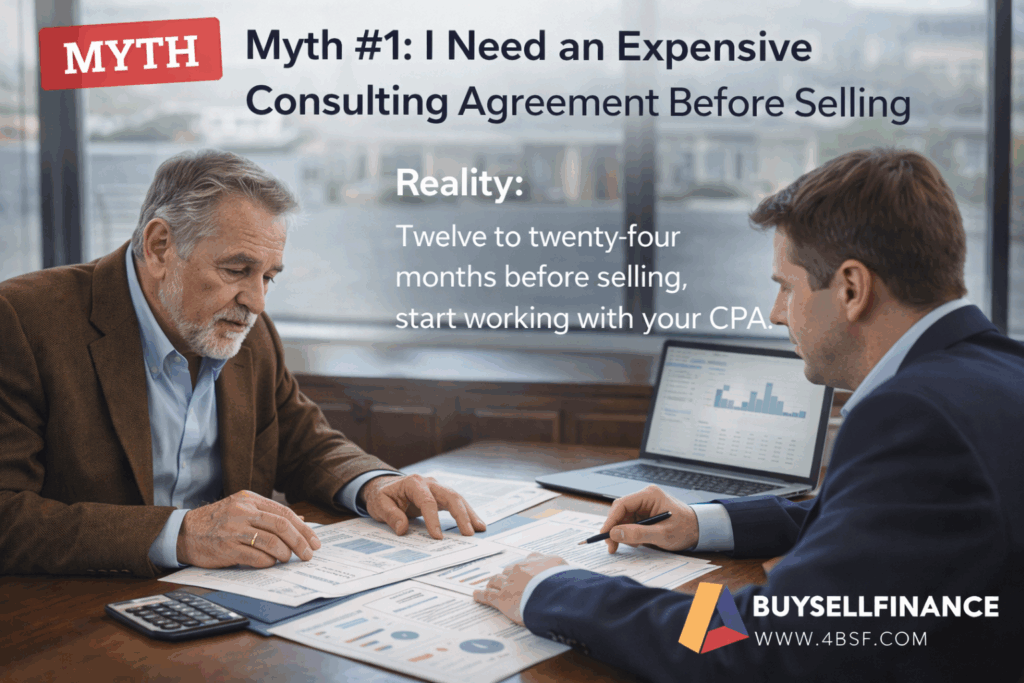
Reality
Hiring a high-cost operations or “turnaround” consultant before selling is rarely necessary — and often provides little return relative to the expense.
Why This Is a Myth
The assumption behind this myth is that outside consultants can dramatically increase your funeral home’s value in a short time. In reality, most buyers value historical, sustainable cash flow, not short-term operational changes that may not continue post-sale.
Unless a consultant delivers material, measurable improvements to earnings, their fees often outweigh any increase in valuation.
What to Do Instead
Twelve to twenty-four months before a sale, work closely with your CPA to:
- Clean up financial statements
- Eliminate non-essential expenses
- Normalize owner compensation
- Improve cash flow visibility
These steps directly influence valuation and buyer confidence without introducing unnecessary costs or complexity.
Myth 2: I Should Step Back and Let a Consultant Run My Funeral Home Before Selling
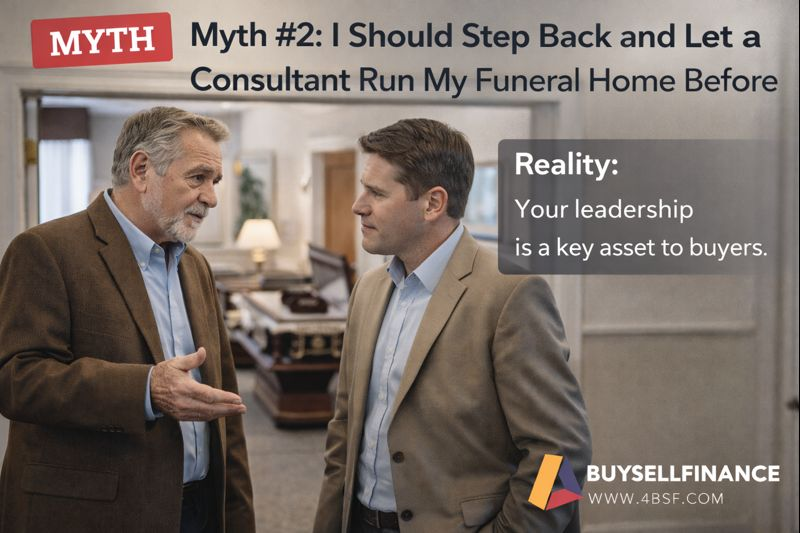
Reality
Your active involvement as the owner is often one of the most valuable assets in the business.
Why This Is a Myth
Funeral homes are relationship-driven businesses. Buyers look closely at:
- Staff stability
- Community trust
- Call volume consistency
- Cultural continuity
An external consultant cannot replace decades of goodwill, leadership, and trust you’ve built with your staff and community. In some cases, removing the owner too early can actually increase buyer risk perception.
What to Do Instead
Remain visibly engaged in the business through closing. If you want to reduce workload:
- Delegate selectively to trusted staff
- Document processes and institutional knowledge
- Begin transition planning without disappearing
Buyers place higher value on businesses that demonstrate continuity and strong leadership.
Myth 3: Buyer Financing Isn’t My Concern — That’s the Buyer’s Problem

Reality
Buyer financing directly affects how much a buyer can pay you and whether the deal closes at all.
Why This Is a Myth
Most funeral home transactions rely on financing. Loan structure impacts:
- Buyer cash flow
- Debt service coverage
- Maximum purchase price
For example, competitive financing (longer amortizations and reasonable interest rates) allows buyers to support higher purchase prices. Poor financing terms can reduce buyer capacity by hundreds of thousands of dollars, even when the business fundamentals are strong.
What to Do Instead
Sellers benefit from understanding and supporting realistic, competitive financing structures, such as:
- SBA-backed loans
- Balanced real estate vs. goodwill allocation
- Amortization periods aligned with cash flow
A deal with certainty of closing is often more valuable than a higher headline price that never funds.
Summary: Sell With Knowledge, Not Assumptions
Selling a funeral home is not about chasing quick fixes, expensive consultants, or surface-level promises. It’s about understanding how value is truly created and protected throughout the process.
Educated sellers consistently achieve:
- Higher net proceeds
- Fewer last-minute surprises
- Better post-closing outcomes
- Stronger peace of mind
The goal isn’t to do more it’s to do the right things at the right time.
Considering Selling Your Funeral Home?
If you’re exploring what a sale could look like now or in the future a confidential conversation can provide clarity without pressure.
For expert guidance on selling your funeral home, contact Matt Manske, Member of BSF LLC, at (913) 343-2357 or via email at matt@4BSF.com. Visit www.4BSF.com for more information.
FAQs – Common Questions Funeral Home Sellers Ask
Do consultants increase funeral home sale value?
Only when changes produce sustained, documented cash-flow improvements. In most cases, CPA-led financial optimization is more effective.
Should I reduce my role before selling?
Generally no. Buyers value continuity and leadership through closing.
Why does buyer financing affect my price?
Financing terms determine buyer affordability and debt service capacity, which directly impacts offers.
What matters more — price or certainty?
Experienced sellers often prefer slightly lower offers with higher certainty of closing.
When should I start planning a sale?
Ideally 18–24 months in advance to optimize financials and reduce stress.
Helpful next steps for this topic





Please Share this Article if you think others would find it Informative:
