
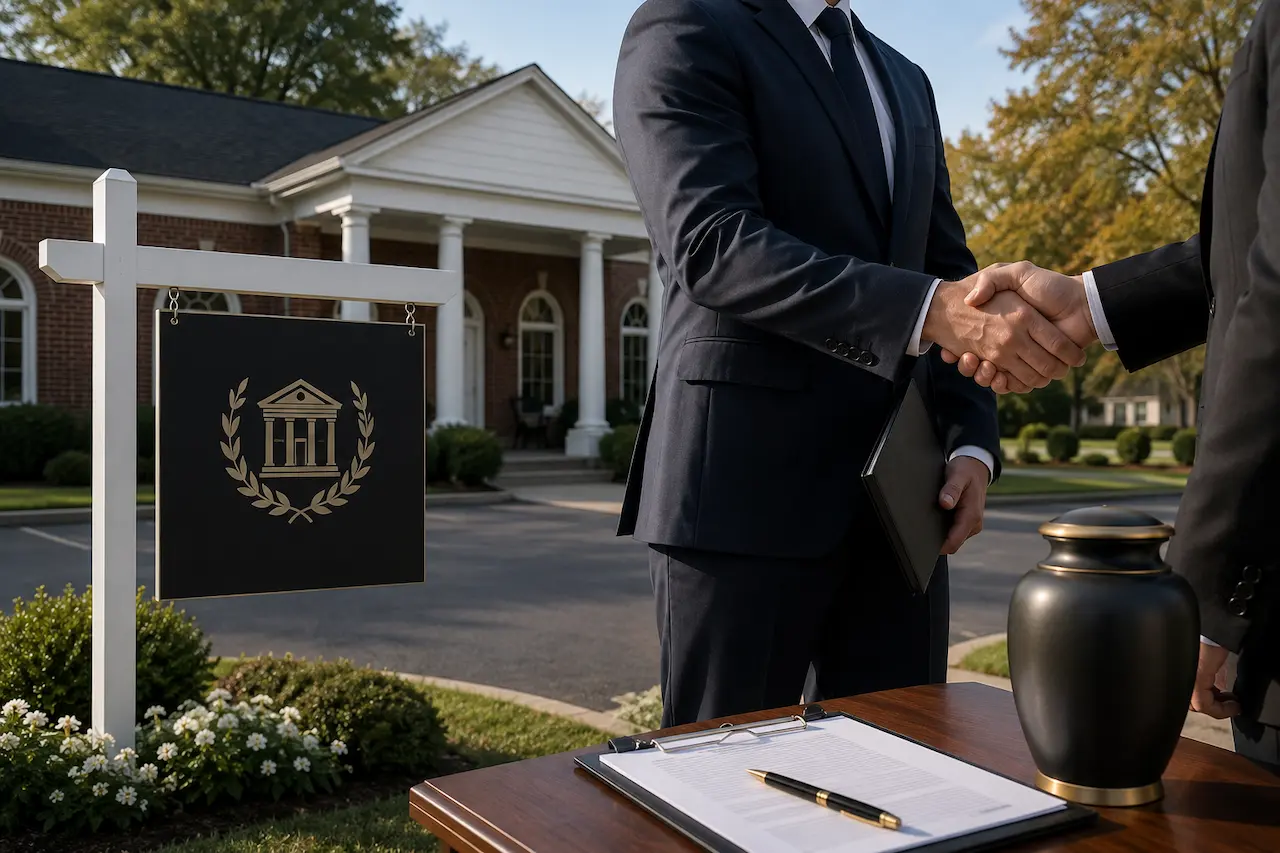
How to Sell a Funeral Home in New York: What Owners Need to Know
Selling a funeral home in New York involves regulatory requirements, real estate dynamics, and buyer financing considerations that differ meaningfully from other markets.
In one of the five boroughs? Read our New York City funeral home seller guide for Manhattan, Brooklyn, the Bronx, Queens and Staten Island.
What works in a Midwest transaction may not apply to a funeral home in Manhattan, Westchester, or Long Island. Understanding those differences before you go to market protects both your asking price and your timeline.
Why New York Is a Different Market for Funeral Home Owners
New York is not one market. It is dozens of small ones stitched together, and each has its own buyer pool, price expectations, and community sensitivities.
A handful of factors set New York apart from most other states:
- Real estate value is often the largest single line item in the sale, especially in Manhattan and the surrounding boroughs.
- State and local licensing rules add steps to the transaction that buyers outside New York rarely encounter.
- Cremation rates are rising across the state, which changes how buyers assess future revenue.
- Population density means your reputation travels fast, for better or worse.
We have seen firsthand how owners who understand these differences early get better offers and fewer surprises later in the process.
What Buyers Look for in a New York Funeral Home
Buyers evaluating a funeral home in New York are not just looking at last year’s revenue. They are looking at whether the business will keep performing after you leave.
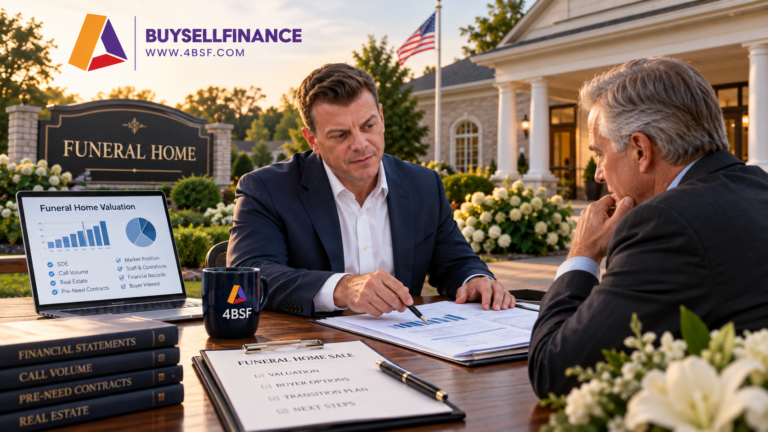
Call volume matters. So does staff retention, the strength of your preneed program, and whether your financial records are clean enough for a lender to underwrite quickly. A buyer who sees three years of organized statements moves faster and offers with more confidence than one working from guesswork. We covered many of these buyer priorities in our earlier guide on selling in New York City, and the fundamentals still hold true today. A buyer’s lender will ask hard questions about SDE, staff turnover, and the strength of your case volume, so it pays to have answers ready before the first meeting rather than during it.
I always advise clients to think like a buyer’s lender would, not like a seller hoping for the best offer.
Manhattan, Westchester and Long Island Sell Differently
A funeral home in Manhattan carries a different value profile than one in Westchester or on Long Island, even if the businesses look similar on paper.
In Manhattan, real estate scarcity often drives the price. Buyers here are frequently well capitalized and comfortable with premium valuations, provided the numbers hold up. In Westchester and parts of Long Island, community relationships and consistent local call volume tend to matter more than square footage. Neither approach is wrong. They simply require different positioning when you prepare to sell.
Owners searching for New York funeral homes for sale, or comparing themselves against Manhattan county funeral homes for sale, should know that pricing benchmarks from one submarket rarely transfer cleanly to another.
Getting an Accurate Valuation Before You List
A funeral home sale that starts with an inflated number rarely ends well. It either sits unsold or closes months later than it should have, after the price has already been quietly reduced.
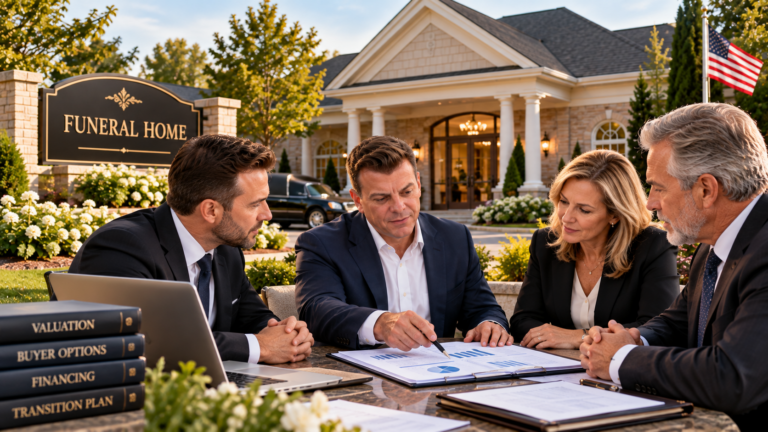
An accurate valuation for a New York funeral home typically weighs:
- Seller’s discretionary earnings, not top line revenue
- Real estate value, appraised separately from the operating business
- Preneed contracts and how they signal future stability
- Local transaction data specific to your county or borough
For a deeper walkthrough of how these pieces fit together, see our guide on valuing your funeral home. Getting this number right before you list is one of the highest leverage decisions in the entire process.
How Financing Shapes a New York Funeral Home Sale
Price is only half the story. Whether a buyer can actually close is the other half, and it is the half most owners overlook.
New York’s higher real estate values mean buyers often need larger SBA loans or a blend of bank and seller financing to make a deal work. A buyer with a strong offer but weak financing can stall a transaction for months, sometimes right after you have already told staff and family that a deal is close.
I prioritize a strategy that puts financing capacity ahead of headline price whenever the two are in tension. A buyer offering slightly less, but fully approved and ready to close, is almost always the better outcome than a buyer chasing a bigger number without the underwriting to support it. This is exactly the kind of risk we screen for early, before an owner invests time in a buyer who was never going to qualify. Our funeral home sale services are built around evaluating financing capacity from the first conversation, not after a letter of intent is already signed.
Confidentiality in a Tightly Connected Market
Funeral service is a relationship business, and New York’s communities, even within a large city, tend to be closely connected. Word travels between funeral directors, families, and clergy faster than most owners expect.
A public listing can unsettle staff and worry longtime client families before you have even found the right buyer. Once word gets out that a funeral home is for sale, families sometimes start asking questions the staff cannot answer, and competitors take notice faster than owners expect.
That is why a confidential process, with vetted buyers and a blind business profile, matters more here than in less connected markets. We always advise clients to keep the circle of people who know about a potential sale as small as possible for as long as possible. Our confidential sale process exists specifically to protect owners through this stage of the transaction.
What Happens Next
If you are weighing a sale in the next year or two, the smartest move is a private conversation, not a public listing. You can reach out to us directly whenever you are ready to talk through where you stand.
A New York sale rewards owners who prepare early: clean financials, a realistic valuation, and a clear understanding of how local buyers finance deals. Waiting until you are fully ready to retire leaves little time to fix the small issues that quietly reduce a sale price, from disorganized records to an unclear staffing plan. Getting these pieces in order before you go to market puts you in a stronger negotiating position and shortens the time it takes to close.
Why Choose Us
We work exclusively with funeral home owners, which means every conversation is grounded in real transaction experience rather than general business brokerage.
- Twenty plus years focused only on funeral home sales, acquisitions, and financing
- Direct access to Matt Manske throughout your transaction, not a rotating team
- Confidential marketing that protects your staff and community reputation
- Buyer financing screened early, before time is lost on unqualified offers
- No high broker commissions eating into your net proceeds
Conclusion
Selling a funeral home in New York is not the same process as selling one anywhere else. Real estate value, local buyer financing, and community trust all shape the outcome. Owners who understand these factors before listing tend to sell faster, with fewer surprises, and closer to the number they actually deserve.
Frequently Asked Questions
How long does it take to sell a funeral home in New York?
Most New York transactions take between six and twelve months from initial valuation to closing, depending on financing timelines and regulatory approvals.
Do I need a broker to sell my New York funeral home?
No. Many owners work with a transaction advisor instead, which often means lower fees and a more direct, confidential process.
What documents should I prepare before selling?
Three years of financial statements, current licenses, preneed contract records, and basic staffing information are the minimum a serious buyer will expect.
Is real estate valued separately from the business in New York?
Yes. Real estate and the operating business should be appraised independently, since buyers usually finance each piece differently.
Can I sell my funeral home confidentially in New York?
Yes. A blind profile and vetted buyer process can keep your identity private until a qualified buyer is ready to move forward.
Helpful next steps for this topic


Please Share this Article if you think others would find it Informative:
