

SBA 7(a) Loan Denied? What Funeral Home Buyers Should Do Next
An SBA 7(a) loan denial can feel like the deal is over, especially after weeks of underwriting, document requests, and waiting. It usually is not.
Most funeral home buyers who get denied are not permanently disqualified from financing. They were often working with a lender who was learning the funeral industry as they went, or the deal was submitted before a fixable issue was addressed. The difference between buyers who recover from a denial and buyers who lose the deal almost always comes down to what they do in the first two weeks after the decision.
This guide walks through why SBA 7(a) loans get denied specifically in funeral home transactions, how to figure out what actually went wrong, and the concrete steps to take next, whether that means reapplying, restructuring the deal, or approaching a different lender entirely.
Why SBA 7(a) Loans Get Denied More Often in Funeral Home Deals
Funeral home acquisitions get denied at a higher rate than a typical small business purchase, and it is rarely about the buyer’s character or intent.
A generalist lender underwriting a funeral home for the first time is evaluating a business model they do not fully understand. Preneed contracts and trust obligations do not look like normal liabilities on a balance sheet, and an underwriter unfamiliar with the industry can misread them as more debt than they actually represent. Licensing transfers add regulatory steps most commercial loans never encounter. Real estate often includes a chapel and a licensed prep room that require specific zoning, which can trigger extra scrutiny or an incomplete environmental review. None of these factors mean the deal is bad. They mean the lender was not equipped to properly evaluate it.
The First Thing to Do: Get the Real Reason in Writing
Before deciding on a next step, you need to know exactly why the loan was denied, not the general impression your loan officer gave you over the phone.
Under the Equal Credit Opportunity Act, you are entitled to a written explanation for an SBA loan denial. Request this in writing if you have not already received it and ask specifically whether the decision came from the lender’s internal credit committee or from an SBA-level review. This distinction matters. A lender-level decline means a different bank with more funeral industry experience could reach a different conclusion on the same deal. An SBA-level decline on eligibility grounds is a different problem entirely, and it usually cannot be solved by simply reapplying somewhere else.
Common Reasons Funeral Home Loan Applications Get Declined
A handful of issues account for most funeral home financing denials, and nearly all of them are fixable with the right preparation.
- The purchase price outran the earnings. If the asking price exceeds what the business’s seller’s discretionary earnings can realistically service, no lender will approve the debt, regardless of how strong the buyer looks on paper.
- Preneed contract funding could not be verified. When a seller cannot clearly document that preneed trust accounts are properly funded, underwriters often stall or decline rather than guess at the exposure.
- Financial documentation was incomplete or inconsistent. Tax returns, profit and loss statements, and internal books that do not match each other are one of the fastest ways to derail an application.
- The buyer had limited relevant experience. A buyer entering the funeral profession with no operational background and no post-closing management plan reads as higher risk to an underwriter, especially for a relationship-driven business like this one.
- The lender simply was not equipped for the industry. Some declines have nothing to do with the deal itself and everything to do with a generalist bank applying a standard small-business lens to a specialized transaction.
Figure Out Which Category Your Denial Falls Into
Once you have the written reason, sort it into one of two buckets: a deal problem or a lender problem.
A deal problem means something about the price, the seller’s documentation, or the buyer’s qualifications genuinely needs to change before any lender will approve it. A lender problem means the deal itself is financeable, but the specific bank you applied with was not the right fit for a funeral home transaction.
Buyers frequently assume they have a deal problem when they actually have a lender problem, and they walk away from a purchase that a more experienced funeral home lender would have approved without much difficulty.
If It Was a Lender Problem, Talk to a Specialist Next
Most commercial banks do not have direct experience underwriting funeral home transactions, and that gap shows up most clearly at the denial stage.
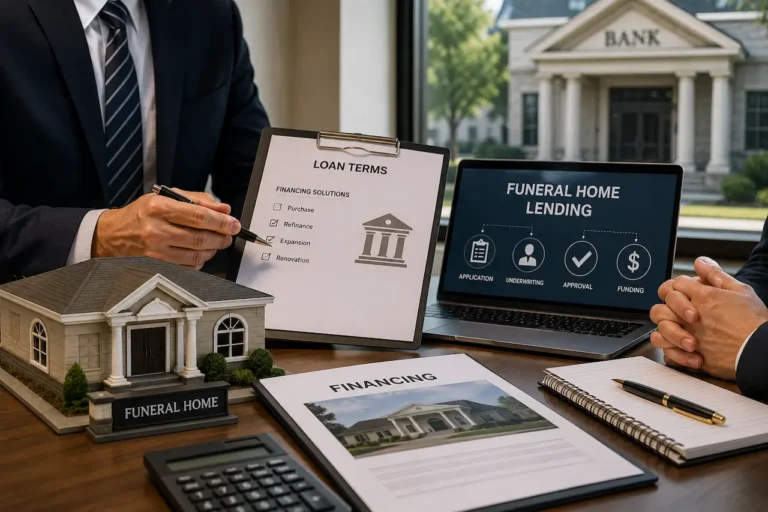
A lender who regularly finances death care businesses already knows how to evaluate preneed liabilities, how to weigh seller’s discretionary earnings against a chapel and prep room valuation, and how to structure a loan around licensing transfer timelines. That familiarity alone resolves a large share of denials that had nothing to do with the underlying business being unfinanceable. Before you submit a new application anywhere, confirm the lender has funeral home experience specifically, not just general small business lending experience.
To understand what a qualified lender actually looks for before approving a funeral home purchase. Check our financial services guidance built specifically for this industry.
If It Was a Deal Problem, Consider Restructuring Before You Reapply
Sometimes the denial is correct as submitted, and the fix is changing the structure of the deal rather than finding a new lender.
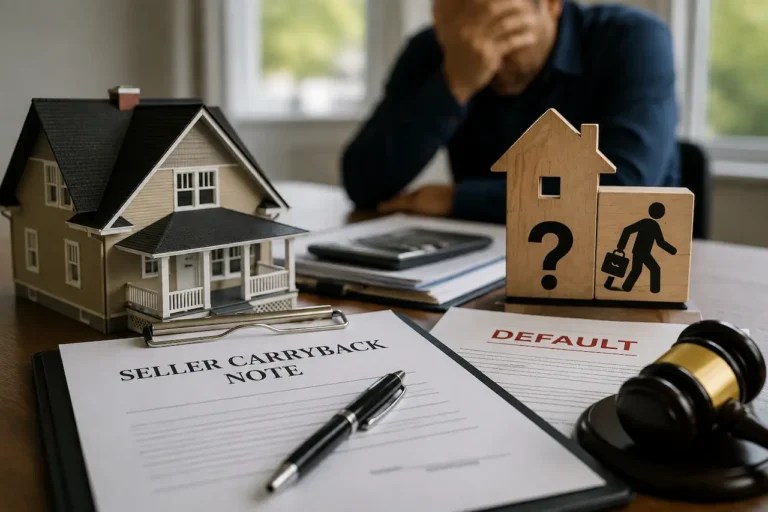
A seller financing component is one of the most effective ways to strengthen a borderline application. When a seller carries part of the note, typically on standby for the first two years, it signals to the primary lender that the seller has real confidence the business will keep performing after closing. It also narrows the gap between what a bank is willing to lend and what the purchase actually requires.
Most banks will require a subordination agreement before approving the primary loan. But this structure has rescued more than a few deals that looked shaky on a bank-only application. For a full breakdown of how this works, see our guide on bank financing versus seller financing.
If the issue was pricing rather than structure, renegotiating the purchase price down to a level the earnings can actually support is often the only path forward and it is worth having that conversation before walking away from an otherwise good business.
Know the SBA Reapplication Timeline
An SBA loan denial is not permanent, and you are not locked out of the program going forward.
In most cases, you can reapply after roughly 90 days. Whether that means resubmitting with the same lender after addressing the issue, or applying fresh with a different, more experienced funeral home lender. Reapplying immediately with the same documentation that just got declined rarely changes the outcome.
Use the waiting period productively: gather cleaner financials, document preneed funding thoroughly and if the buyer’s experience was a factor, build out a concrete post-closing operations and staffing plan. A well-prepared second application moves through underwriting noticeably faster than the first one did.
What If the Denial Was Really About the Seller, Not You?
Buyers sometimes assume a denial reflects poorly on their own financial profile, when the real issue sits on the seller’s side of the table.
Inconsistent financial records, unverifiable preneed contracts, or a seller who is reluctant to provide detailed documentation are among the most common reasons a lender walks away from an otherwise viable purchase. If this describes your situation, the fix is not a new lender or a lower offer. It is asking the seller directly for cleaner records before you resubmit anywhere.
A seller who cannot produce them, or who resists the request, is itself useful information about whether this deal is worth continuing to pursue. Our buying guidance covers what to request from a seller before you go back to underwriting.
If SBA Financing Still Is Not a Fit
For a small number of buyers, SBA 7(a) financing genuinely will not work, whether due to eligibility restrictions, insufficient earnings coverage, or a deal size that does not fit the program.
In those cases, conventional bank financing, a larger seller-financed structure, or a combination of both can still get a transaction to closing. These paths typically require a larger down payment or a more conservative purchase price. But they remain viable when the SBA route is closed. Reach out directly if you want to talk through which structure fits your specific situation. Contact us to discuss your options.
Why Choose 4BSF
We work exclusively with funeral home buyers, sellers and owners. That means our financing guidance is grounded in real transactions rather than general small business advice.
- Twenty plus years focused only on funeral home sales, acquisitions, and financing
- Direct access to Matt Manske throughout your transaction, not a rotating team
- Deep familiarity with SBA lending as it applies specifically to funeral homes
- Financing risk screened early, before time is lost on a lender who was never the right fit
- No high broker commissions eating into your net proceeds
Conclusion
An SBA 7(a) loan denial is a setback, not a verdict on whether you will own a funeral home. Most denials trace back to one of two things: a lender without funeral industry experience, or a deal that needs a specific, fixable adjustment before it can be approved. Getting the real reason in writing, sorting it into a deal problem or a lender problem and responding with the right next step. Whether that is a specialist lender, a restructured offer, or a cleaner seller documentation package, is what separates buyers who close a few months later from buyers who give up on a business they were genuinely qualified to own.
FAQs
Can I reapply for an SBA 7(a) loan after being denied?
Yes. Most buyers can reapply after approximately 90 days, either with the same lender after resolving the issue that caused the denial or with a different, more experienced lender. Reapplying with the exact same documentation that was already declined rarely produces a different result.
Does an SBA loan denial hurt my credit or future applications?
The denial itself does not directly damage your personal credit score, but the hard inquiry from the application does appear on your credit report. A pattern of multiple declines can also make future lenders ask more questions, which is one reason it is worth addressing the underlying issue before reapplying broadly.
Why do funeral home loans get denied more often than other small business loans?
Funeral homes involve preneed contracts, licensed real estate and revenue tied to community trust rather than typical retail or service metrics. A lender without direct funeral industry experience often misjudges these factors, leading to declines that a specialized lender would not necessarily reach.
Should I lower my offer if my SBA loan was denied for cash flow reasons?
If the denial was specifically about the business’s earnings not supporting the requested debt, renegotiating the purchase price is usually the most direct fix. A lower price reduces the loan amount needed and can bring the debt service coverage ratio back into range a lender will approve.
Is seller financing a good option after an SBA denial?
Often, yes. A seller willing to carry part of the note, typically placed on standby for the first two years, can strengthen an otherwise borderline application by signaling confidence in the business and narrowing the amount a bank needs to finance directly.
What documents should I gather before reapplying?
Three years of clean, consistent financial statements, documented preneed contract funding status, licensing records, and a clear post-closing staffing and operations plan are the core items that most often make the difference on a second application.
Helpful next steps for this topic


Please Share this Article if you think others would find it Informative:
